How Do Professional Gamblers Make Money: We also provide some handy tips on what you need to do to find a top-ranking AU bingo site that meets your personal needs.
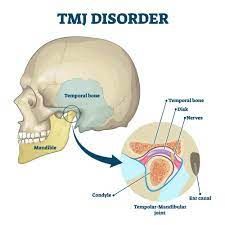
The temporomandibular (tem-puh-roe-man-DIB-u-lur) joint (TMJ) acts like a sliding hinge, connecting your lower jaw to your skull just in front of your ear.
Injury to the jaw, such as a heavy blow or whiplash, can lead to temporomandibular joint disorders (TMD).
Other Causes of TMD May Include:
Grinding or clenching teeth, throughout the day or while sleeping
Arthritis in the joint
Stress, causing tension in the jaw muscles
Hyper-mobility of the joint
What Are Symptoms of TMD ?
Pain or tenderness in the face, jaw, ear, neck or shoulders when speaking, chewing or opening mouth wide
Difficulty fully opening your mouth
Jaw getting “stuck” or “locking” in open or closed position
Clicking, popping, or grating sounds in the jaw when you open/close your mouth
Tired sensation in the face
Swelling or warmth in the side of your face
Headaches
How Can Physiotherapy Help?
Manual therapy – hands-on mobilization of the joint to help improve range of motion and ease of movement
Soft tissue massage – to the jaw, face and inside of mouth to reduce muscle tension
Laser or ultrasound therapy – light and sound therapy which may help to reduce inflammation in the joint
Acupuncture – application of needles in specific areas in your head/face/neck to reduce symptoms/pain
Exercise – focused on improving jaw mobility, strengthening the muscles supporting jaw and facial movement and improving posture
Mouth guards – may be prescribed by your dentist to minimize grinding of the teeth during the night
As everyone’s situation is unique always consult a registered health progressional to help create a management plan that’s effective and safe for you!